
Questions to Ask Before You Say Yes to a Rishta

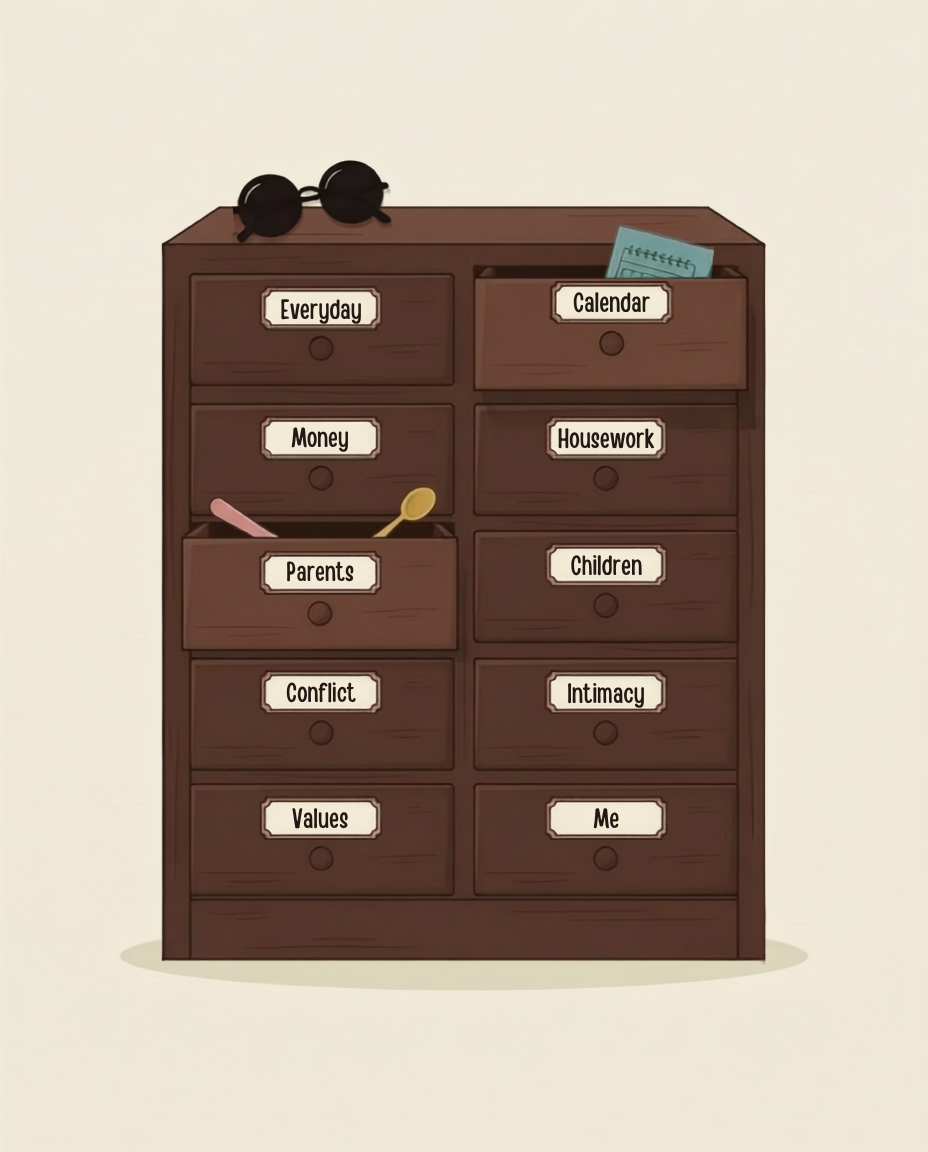
Before you say yes to a rishta, ask about the life you’ll actually share: everyday routines, work, money, housework, parents, children, conflict, intimacy, values, and how you feel around them. A good match won’t fall apart because you asked real questions. The right questions reveal whether there is enough respect, honesty, attraction, and willingness to build.
A rishta is not just biodata, salary, family background, and tea with mixture. Before you say yes, ask about the everyday life: money, housework, parents, conflict, intimacy, children, values, and whether you feel like a person or a candidate.
A rishta conversation is a strange piece of theatre. Two families are smiling, tea is being served, someone has brought mixture, and everyone is pretending this is casual while quietly evaluating height, salary, skin tone, horoscope, education, accent, and whether you can sit politely for 47 minutes.
Somewhere inside all this performance, two people are supposed to decide if they can build a life together. No pressure, edi. Or eda. Whoever you are, Chechi means you. Just the rest of your life.
Chechi has no quarrel with arranged marriage itself. Plenty of people find love, safety, and real companionship this way. But a good rishta gets built on questions, and after the wedding you are not living with the biodata. You are living with the person. So before you say yes, ask about the life. Ten places to look:
1. Everyday life
Marriage is mostly ordinary days, so start there. What does a normal weekday look like for them? How do they spend weekends? How much alone time do they need? When they're upset, do they talk immediately or go quiet for two days?
These sound small. Their daily rhythm will set the temperature of your daily peace, so they are not small.
2. Work and ambition
Ask whether they expect their partner to keep working after marriage, how they'd handle two demanding careers, and what happens if one of you gets a better opportunity in another city.
Then pay attention to the tone, not just the words. "Of course I support my partner working" is a line someone has rehearsed. "Both our ambitions matter, so we'd decide together" is a value someone holds. You can hear the difference if you listen for it.
3. Money
Financial confusion is far more unromantic than financial questions. Ask about joint versus separate accounts, existing debt, how they spend and save, whether they support their parents, and whether you'd be expected to contribute to their family's expenses.
Don't be embarrassed. If families can ask your salary in the first meeting, you can ask about financial values before a wedding.
4. Housework
Pay extra attention here if the biodata proudly mentions wanting a partner who works. Who cooks in their house now? Can they make a basic meal? If you both work full-time, how does the housework split? Do they quietly believe the home is naturally one person's department, and have they already decided that person is you?
If they laugh and say they don't even know where the kitchen is, don't laugh too hard. That joke becomes your unpaid internship.
.png)
5. Parents and boundaries
Indian marriage is rarely two people. It is often two people, four parents, seven opinions, and one emotionally powerful WhatsApp group. Ask where you'd live, what involvement they expect from parents, and what they'd do if their parents and you disagree.
Listen closely here. A person who cannot say no to their parents before the wedding rarely develops that skill after the sadhya.
6. Children
Do they want them, when, how many? What if the road to children involves fertility struggles, adoption, or other routes? How do they imagine parenting being divided, and would they expect you to pause your career?
Don't accept "we'll see later" as a plan. Later has a habit of arriving as pressure, with relatives attached.
7. Conflict
Possibly the most important section. How do they behave when angry? Do they shout? Do they apologise easily? Have they ever considered therapy? What was their last serious conflict and how did it end?
Marriage doesn't require two people who never fight. It requires two people who can fight without destroying each other, and you want evidence of that skill before you sign up.
8. Intimacy
Awkward, yes. Ask anyway, gently. What does emotional closeness mean to them? Can they talk about physical intimacy like an adult? Do they believe consent matters inside marriage? Are they open to discussing contraception and sexual health before the wedding?
You don't need to cover everything in one dramatic sitting; this is a conversation, not a viva. But silence around sex before marriage does not magically turn into comfort after it.
9. Values
What role does religion play in their life? How much do caste, community, and language matter to them? What kind of marriage did they watch growing up, and what do they want to do differently?
And if identity is part of your picture, watch how they talk about people unlike themselves. Someone's opinions on queerness, divorce, and "log kya kahenge" tell you exactly how much room their marriage will have in it.
Their values won't wait for festivals or fights to show themselves. They'll show up on a random Tuesday, in who gets served first and whose tiredness counts.
.png)
10. Yourself
After every conversation, check your own readings. Do you feel calm or small? Can you speak freely? Do they ask you questions too, or only answer yours? Do you feel like a person or a candidate? Are you interested in them, or just relieved that they're "not bad"? Are you saying yes because you want to, or because everyone is tired of searching?
A rishta can look perfect on paper and still sit wrong in your body. That reading counts as data too.
Don't marry potential, and don't marry "at least they're decent." Definitely don't marry because the hall dates are available in December.
Marry, if you marry, because there is enough respect, honesty, attraction, and willingness to build. The right questions won't ruin a good rishta. They'll reveal one.